
Sep 9, 2026
Enriching for Response, 3x Higher ORR (Beyond PD-L1)
DECODE · RESPONSE (REX)
Zero-shot embeddings, outcome-blind enrichment
In a completed checkpoint-inhibitor trial in advanced renal cell carcinoma, DeepOmic identified a subgroup of patients using molecular embeddings generated from tumour RNA-seq and exome data.
No response outcomes were used to define the subgroup or select the underlying rule. After outcomes were unsealed, the subgroup had an objective response rate of 53%, compared with 18% among patients outside the subgroup. The overall objective response rate in the trial was 25%.
The enrolment problem
RCC is the indication where PD-L1 selection was tried and set aside. PD-L1-defined groups did not separate responders from non-responders reliably enough to guide treatment, and nothing molecular replaced it: tumour mutational burden is not predictive in RCC. Advanced RCC is therefore treated close to all-comers, at roughly a 25% response rate.
This creates an enrichment opportunity: can broader tumour molecular information reveal additional structure within an otherwise heterogeneous trial population?
The trial
A completed trial of a checkpoint inhibitor in advanced renal cell carcinoma tumours: more than 200 patients, two thirds of them PD-L1-low. Tumour RNA and exome went into DeepOmic, our tumour-agnostic multi-omic foundation model, powered by DECODE, pretrained across tumour types, encoders frozen, no fine-tuning.
Zero-shot, no outcomes
No response labels were used to define the subgroup or select the enrichment rule. Patient representations were generated using frozen, pretrained encoders, with no training or fine-tuning on response outcomes from this trial. The subgroup definition and enrichment strategy were locked before response outcomes were unblinded. The resulting group showed no relationship to PD-L1 status. Here, “zero-shot” means the model was applied without using this trial’s response outcomes to generate patient representations or define the subgroup.
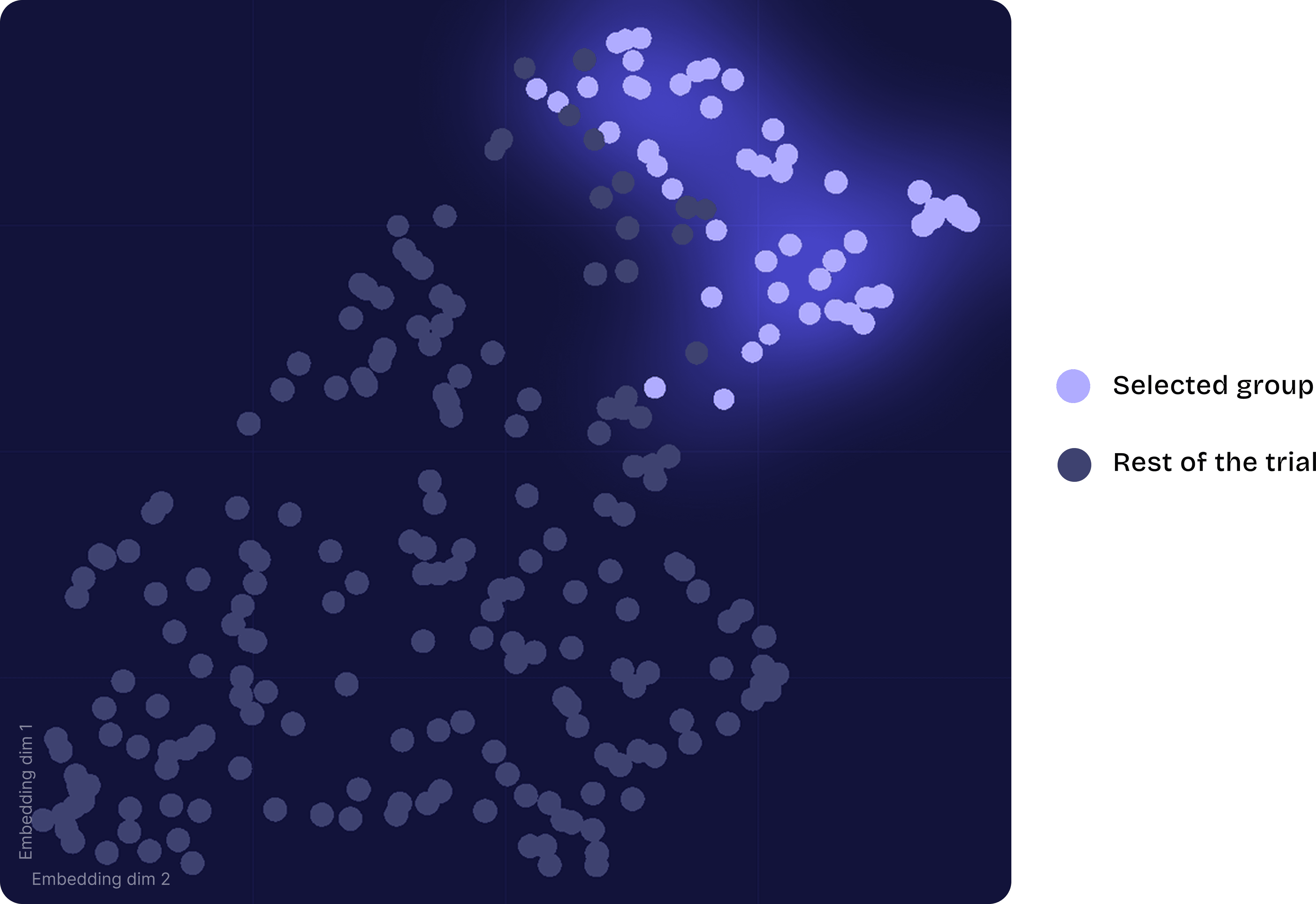
FIGURE 1 The enrolment group, drawn from embeddings alone
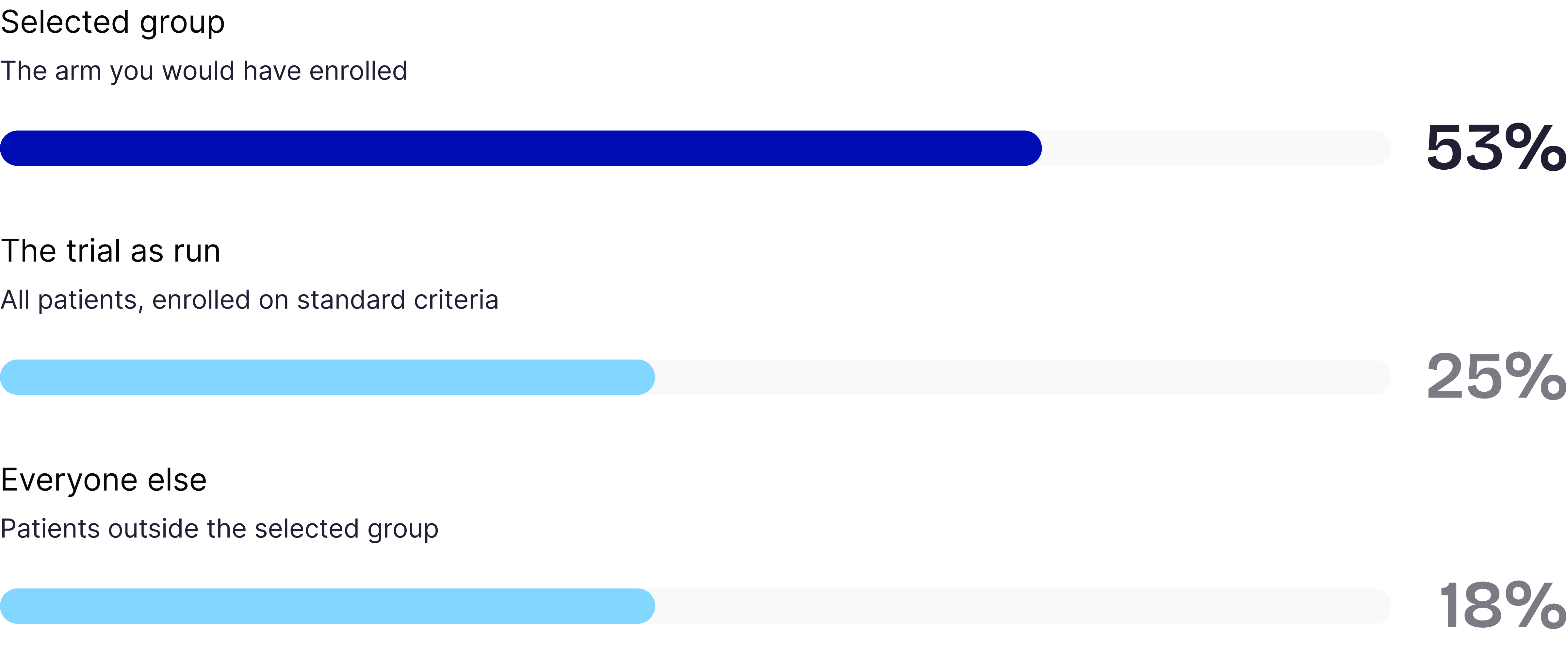
FIGURE 2 Response rate after the outcomes were unsealed
What this changes, by phase
Dose expansion PHASE I / IB | Rank expansion-cohort candidates from screening data. No outcomes from your study are needed, so the ranking exists before the first response is scored. |
Enrichment design PHASE II | At these rates a 40-patient single-arm cohort holds about 21 responders instead of 10. Filling it means profiling roughly 200 patients: more screening, a materially higher response rate. |
Re-read a miss PHASE II / III POST-HOC | Banked samples from a study that missed whether a responder group was there all along, with the group defined before outcomes are opened rather than after. |

9/9/26

DECODE Case Study
DECODE Case studies demonstrating how DECODE platform turns molecular data into actionable insights across clinical development.
Related Topics


The Greenway, Block C,
112-114 St Stephen's Green,
Dublin 2, D02 TD28
Dublin, Ireland
Sep 9, 2026
Enriching for Response, 3x Higher ORR (Beyond PD-L1)
DECODE · RESPONSE (REX)
Zero-shot embeddings, outcome-blind enrichment
In a completed checkpoint-inhibitor trial in advanced renal cell carcinoma, DeepOmic identified a subgroup of patients using molecular embeddings generated from tumour RNA-seq and exome data.
No response outcomes were used to define the subgroup or select the underlying rule. After outcomes were unsealed, the subgroup had an objective response rate of 53%, compared with 18% among patients outside the subgroup. The overall objective response rate in the trial was 25%.
The enrolment problem
RCC is the indication where PD-L1 selection was tried and set aside. PD-L1-defined groups did not separate responders from non-responders reliably enough to guide treatment, and nothing molecular replaced it: tumour mutational burden is not predictive in RCC. Advanced RCC is therefore treated close to all-comers, at roughly a 25% response rate.
This creates an enrichment opportunity: can broader tumour molecular information reveal additional structure within an otherwise heterogeneous trial population?
The trial
A completed trial of a checkpoint inhibitor in advanced renal cell carcinoma tumours: more than 200 patients, two thirds of them PD-L1-low. Tumour RNA and exome went into DeepOmic, our tumour-agnostic multi-omic foundation model, powered by DECODE, pretrained across tumour types, encoders frozen, no fine-tuning.
Zero-shot, no outcomes
No response labels were used to define the subgroup or select the enrichment rule. Patient representations were generated using frozen, pretrained encoders, with no training or fine-tuning on response outcomes from this trial. The subgroup definition and enrichment strategy were locked before response outcomes were unblinded. The resulting group showed no relationship to PD-L1 status. Here, “zero-shot” means the model was applied without using this trial’s response outcomes to generate patient representations or define the subgroup.
FIGURE 1 The enrolment group, drawn from embeddings alone
FIGURE 2 Response rate after the outcomes were unsealed
What this changes, by phase
Dose expansion PHASE I / IB | Rank expansion-cohort candidates from screening data. No outcomes from your study are needed, so the ranking exists before the first response is scored. |
Enrichment design PHASE II | At these rates a 40-patient single-arm cohort holds about 21 responders instead of 10. Filling it means profiling roughly 200 patients: more screening, a materially higher response rate. |
Re-read a miss PHASE II / III POST-HOC | Banked samples from a study that missed whether a responder group was there all along, with the group defined before outcomes are opened rather than after. |
9/9/26
DECODE Case Study
DECODE Case studies demonstrating how DECODE platform turns molecular data into actionable insights across clinical development.
Related Topics
The Greenway, Block C,
112-114 St Stephen's Green,
Dublin 2, D02 TD28
Dublin, Ireland
Sep 9, 2026
Enriching for Response, 3x Higher ORR (Beyond PD-L1)
DECODE · RESPONSE (REX)
Zero-shot embeddings, outcome-blind enrichment
In a completed checkpoint-inhibitor trial in advanced renal cell carcinoma, DeepOmic identified a subgroup of patients using molecular embeddings generated from tumour RNA-seq and exome data.
No response outcomes were used to define the subgroup or select the underlying rule. After outcomes were unsealed, the subgroup had an objective response rate of 53%, compared with 18% among patients outside the subgroup. The overall objective response rate in the trial was 25%.
The enrolment problem
RCC is the indication where PD-L1 selection was tried and set aside. PD-L1-defined groups did not separate responders from non-responders reliably enough to guide treatment, and nothing molecular replaced it: tumour mutational burden is not predictive in RCC. Advanced RCC is therefore treated close to all-comers, at roughly a 25% response rate.
This creates an enrichment opportunity: can broader tumour molecular information reveal additional structure within an otherwise heterogeneous trial population?
The trial
A completed trial of a checkpoint inhibitor in advanced renal cell carcinoma tumours: more than 200 patients, two thirds of them PD-L1-low. Tumour RNA and exome went into DeepOmic, our tumour-agnostic multi-omic foundation model, powered by DECODE, pretrained across tumour types, encoders frozen, no fine-tuning.
Zero-shot, no outcomes
No response labels were used to define the subgroup or select the enrichment rule. Patient representations were generated using frozen, pretrained encoders, with no training or fine-tuning on response outcomes from this trial. The subgroup definition and enrichment strategy were locked before response outcomes were unblinded. The resulting group showed no relationship to PD-L1 status. Here, “zero-shot” means the model was applied without using this trial’s response outcomes to generate patient representations or define the subgroup.
FIGURE 1 The enrolment group, drawn from embeddings alone
FIGURE 2 Response rate after the outcomes were unsealed
What this changes, by phase
Dose expansion PHASE I / IB | Rank expansion-cohort candidates from screening data. No outcomes from your study are needed, so the ranking exists before the first response is scored. |
Enrichment design PHASE II | At these rates a 40-patient single-arm cohort holds about 21 responders instead of 10. Filling it means profiling roughly 200 patients: more screening, a materially higher response rate. |
Re-read a miss PHASE II / III POST-HOC | Banked samples from a study that missed whether a responder group was there all along, with the group defined before outcomes are opened rather than after. |
9/9/26
DECODE Case Study
DECODE Case studies demonstrating how DECODE platform turns molecular data into actionable insights across clinical development.
Related Topics
The Greenway, Block C,
112-114 St Stephen's Green,
Dublin 2, D02 TD28
Dublin, Ireland